Living in College Park Orlando: A Guide to Daily Life
May 14, 2026
May 14, 2026
If you want an Orlando neighborhood that feels connected without feeling hectic, College Park deserves a closer look. This is the kind of place where daily life often centers on a main street, familiar local businesses, nearby parks, and residential blocks with visible history. If you are trying to picture what it actually feels like to live here, this guide will help you understand the pace, setting, and housing character that shape everyday life in College Park. Let’s dive in.
College Park sits just outside downtown Orlando and has a strong small-town feel, according to the City of Orlando. It is centered about two miles northwest of downtown, which gives you close-in access while still feeling more neighborhood-focused than core urban districts.
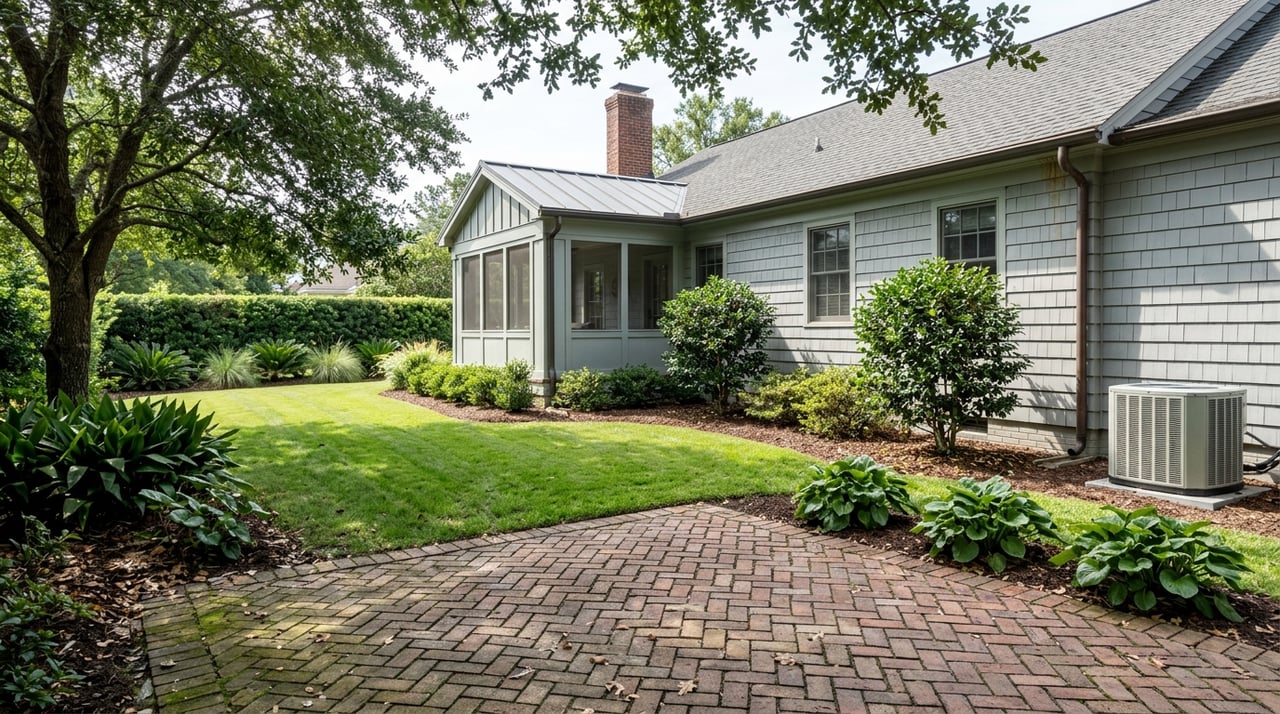
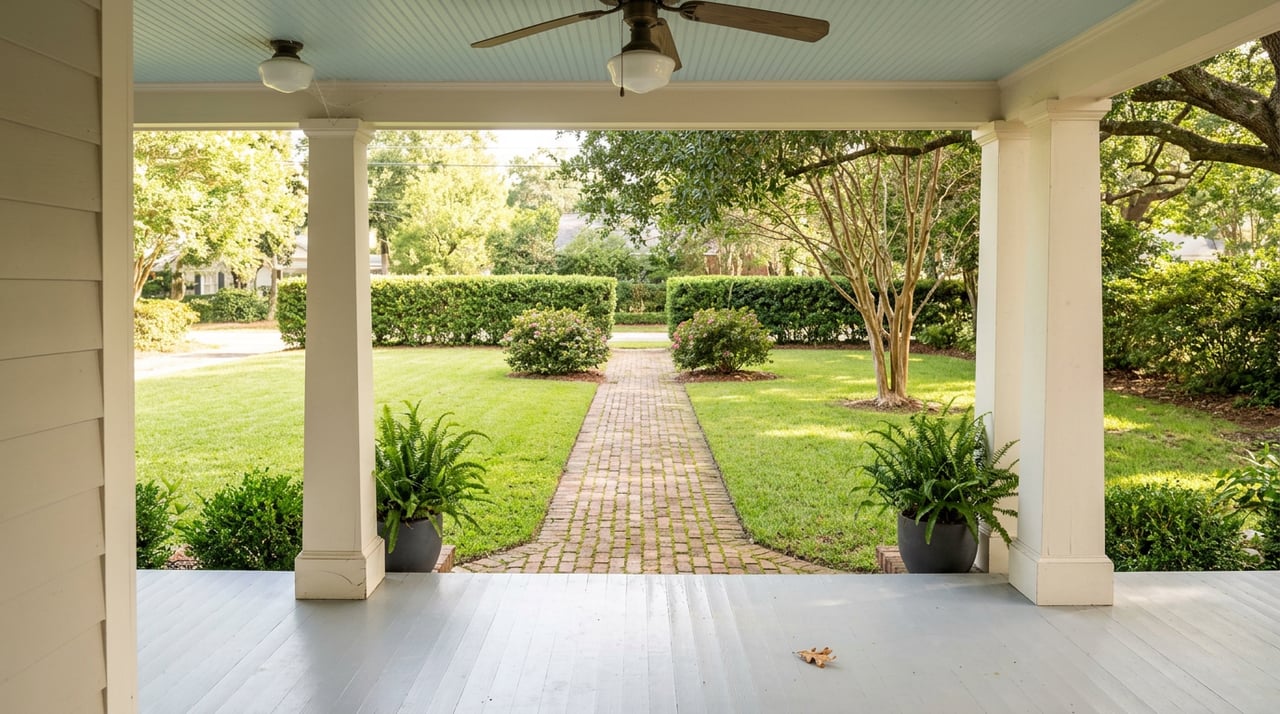
The area is widely recognized as one of Orlando’s oldest traditional neighborhoods. You see that in its brick streets, mature trees, lakes, and older homes that give many blocks a settled, established look.
The neighborhood association describes College Park as roughly bounded by Fairbanks Avenue, Colonial Drive, U.S. 441, and Orange Avenue. Within that footprint, lakes such as Adair, Ivanhoe, Concord, and Silver help shape the landscape and break up the residential streetscape.
For many people, everyday life in College Park starts on Edgewater Drive. The City of Orlando describes it as the neighborhood’s main street, lined with local retailers, restaurants, and small businesses.
That matters because it makes daily routines feel easy and local. Instead of driving across town for every errand or casual outing, you can picture a rhythm built around coffee, lunch, quick stops, and repeat visits to neighborhood favorites.
Current businesses help make that lifestyle feel tangible. Foxtail Coffee has a College Park location on Edgewater Drive, and that location includes a Kelly’s Homemade Ice Cream counter with a walk-up setup and covered patio seating.
The neighborhood also has long-running local staples. Gabriel’s Sub Shop has served College Park from Edgewater Drive since 1958, which adds to the sense that this is a place where routine and familiarity matter.
College Park is not only about storefronts and restaurants. Outdoor space is part of the neighborhood’s everyday rhythm, which helps the area feel relaxed and livable.
Albert Park is described by the City of Orlando as a gathering space surrounded by mature trees. Dartmouth Park is described as a quiet oasis that is just over three acres in size, offering another nearby option when you want open space woven into your routine.
The College Park Neighborhood Center adds a more practical layer to everyday life. According to the city, it includes a playground, pool, gymnasium, fitness center, computer lab, game room, and youth and adult programming.
That combination supports a neighborhood lifestyle that goes beyond dining out. It gives you places to spend time, stay active, and build your week around more than just commuting and errands.
A big part of College Park’s appeal is that it feels active without feeling overly nightlife-driven. The neighborhood association calendar points to recurring community events that help create that atmosphere.
Annual and recurring examples include JazzFest, Holiday on the Drive, Sunday in the Park, the Historic Homes Tour, farmers markets, and wine tastings. These events suggest a lifestyle shaped by shared community spaces, walkable gathering spots, and seasonal traditions.
For you as a buyer, that can be helpful context. It means the neighborhood experience is not limited to what you see on a single showing day. There is also an event calendar and a pattern of local activity that adds texture to daily life.
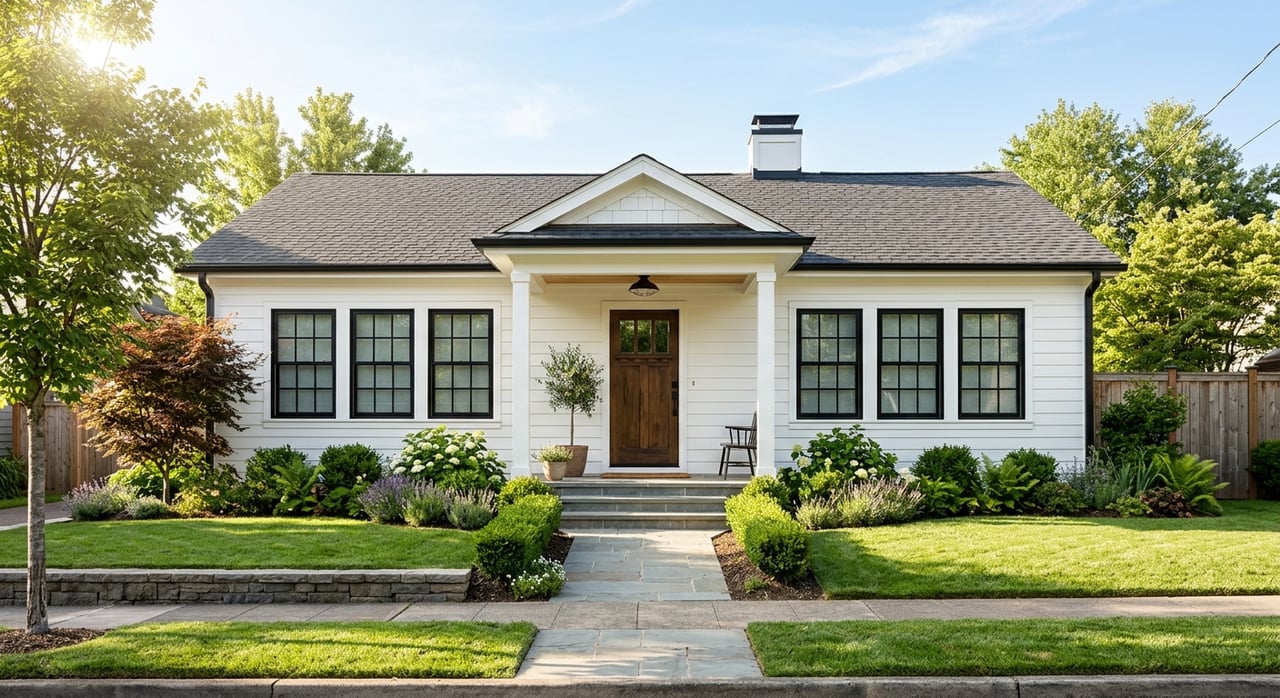
The housing character is one of the clearest parts of College Park’s identity. The City of Orlando describes the area with bungalow-style homes on brick, tree-lined streets and notes that College Park has nearly 100 years of history as one of Orlando’s first subdivision communities.
That history shows up in the streetscape. College Park often feels visibly older and more established than many newer parts of Orlando, which is a major reason buyers are drawn to it.
At the same time, the neighborhood is not frozen in one era. National Register documentation for the Lake Ivanhoe Historic Residential District notes that parts of College Park include mainly single-family homes built roughly from 1920 to 1959, along with some apartment buildings and a few former residences converted to commercial use.
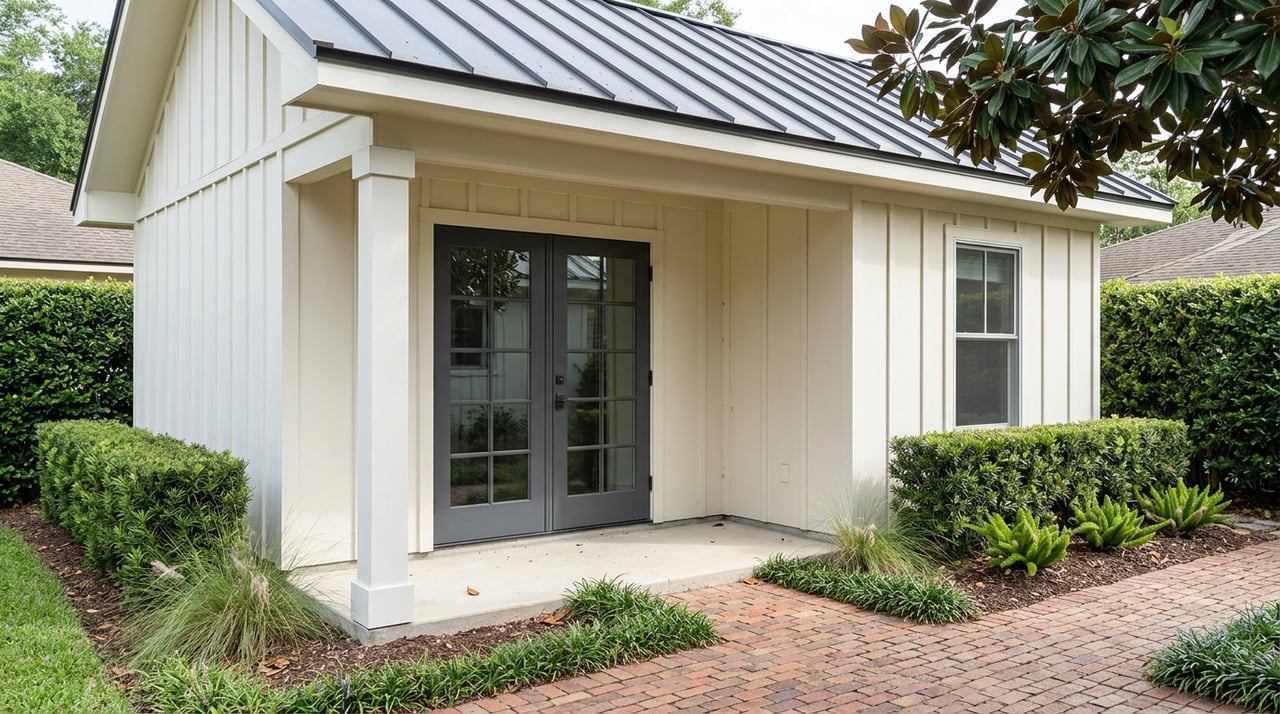
That creates a layered housing mix. In practical terms, you can expect to see older bungalow-era homes, postwar houses, and selective newer construction within a neighborhood shaped by lakes and historic residential districts.
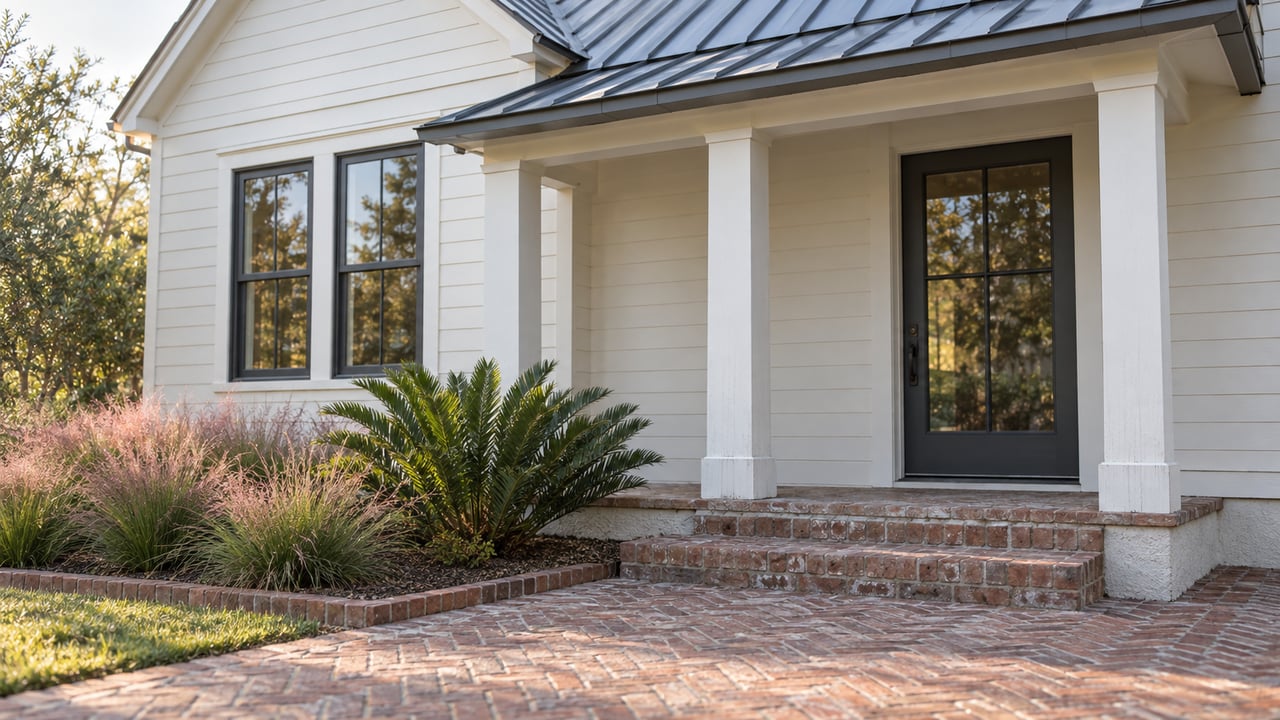
When you spend time in College Park, the visual pattern tends to stand out quickly. Brick streets, mature landscaping, lakes, and older homes create a neighborhood setting that feels rooted and distinct.
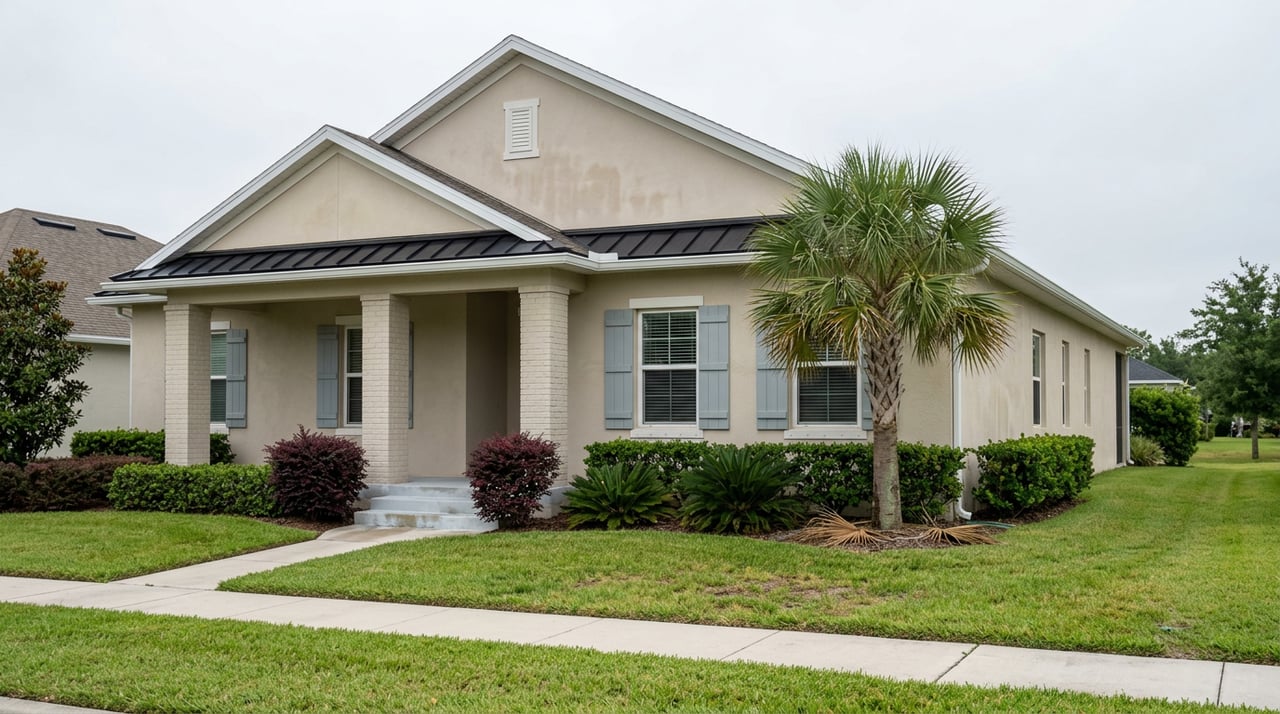
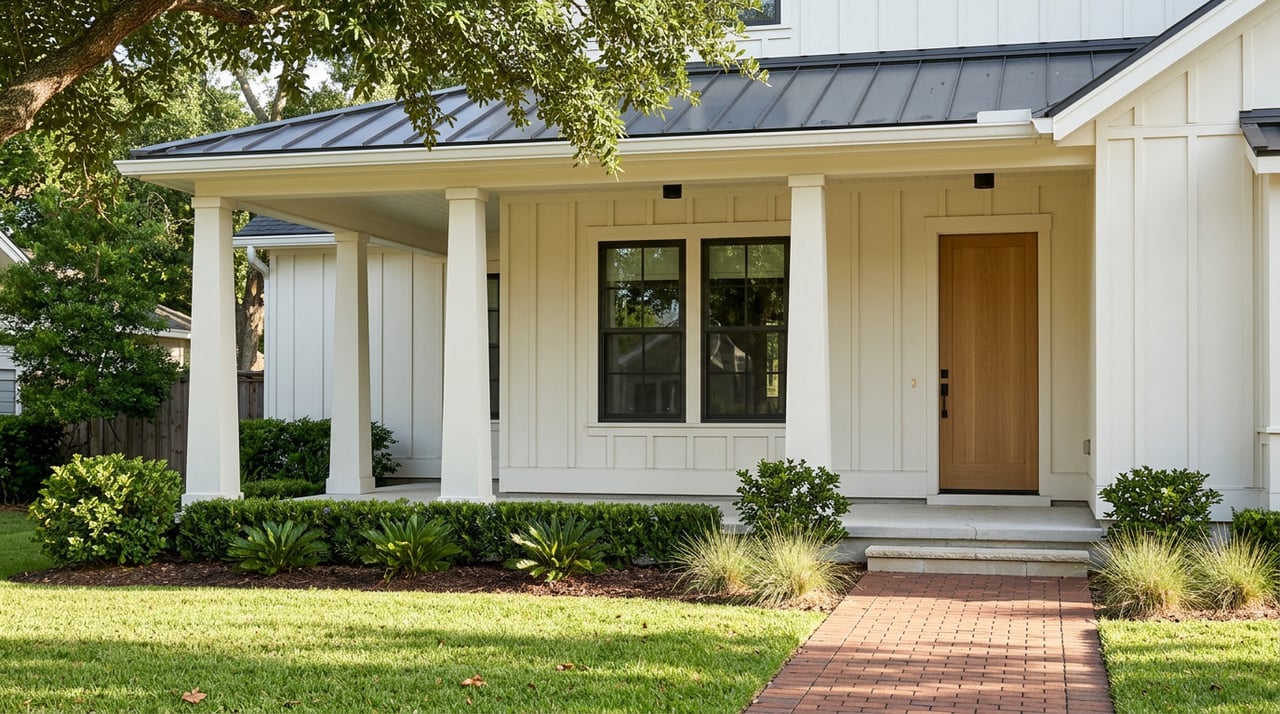
You are also likely to notice that the housing stock changes from block to block. Some areas feel more historic, while major corridors may include newer homes or condominium development that reflects how the neighborhood has evolved over time.
That mix is part of the local reality. It gives College Park a character-rich look while still showing that it continues to change, especially in locations closer to busier roads and commercial corridors.
If you are choosing between Orlando’s intown neighborhoods, College Park helps to think of them by lifestyle pattern, not just map location. College Park tends to read as more residential and main-street oriented than some nearby alternatives.
The City of Orlando describes Thornton Park District as a colorful, walkable commercial district with a European feel, more than 60 locally owned specialty shops, services, and dining destinations, with Lake Eola Park at its center. Compared with that description, College Park feels more centered on homes, parks, and a neighborhood commercial corridor rather than a larger downtown-style district.
The city describes Ivanhoe Village as an indie district with antique stores, art galleries, design centers, small storefronts, and a stronger arts-and-lakeside retail identity. College Park shares the local-business feel, but its identity is more anchored by residential streets and historic housing.
Audubon Park Garden District is described by the city as hip, diverse, and independent, with vintage shops, cafes, bakeries, music, books, craft beer, and boutiques on Corrine Drive. By comparison, College Park comes across as older and more residential, with official descriptions focused more on bungalow streets, parks, lakes, and a traditional neighborhood corridor.
College Park can be a strong fit if you want local businesses and neighborhood character without leaning into a denser downtown feel. The strongest case for the area is its established intown routine: coffee and lunch on Edgewater Drive, nearby parks and recreation options, lakes, walkable streets, and housing that feels historic without being stuck in the past.
For some buyers, that balance is the draw. You get proximity to downtown Orlando, but your day-to-day setting often feels more residential, more rooted, and more tied to familiar local spots.
It can also appeal to sellers whose homes benefit from lifestyle-driven marketing. In a neighborhood where curb appeal, architectural character, and the feel of the street matter, presentation often plays a meaningful role in how buyers connect with a property.
When you are searching for a home, square footage and price only tell part of the story. The rest comes down to how the neighborhood supports your routine once move-in day is over.
In College Park, the clearest lifestyle story is consistency. You have a recognizable main street, community events, parks, lakes, and a housing mix that reflects decades of neighborhood history.
That is why College Park often stands out in Orlando. It offers a version of intown living that feels established, approachable, and easy to picture in real life.
If you are exploring College Park as a buyer or preparing to sell in this character-rich Orlando neighborhood, working with a team that understands how to position both the lifestyle and the home can make a real difference. Connect with Abby Greenberg to get tailored guidance on buying or selling in College Park.
Stay up to date on the latest real estate trends.


Abby Greenberg and The A List team are just a call or click away. Our team is dedicated to helping you find the perfect solution to your real estate needs, with transparency and professionalism.