Maitland Lakefront Homes Lifestyle: Design for Daily Living
May 21, 2026
May 21, 2026
Lakefront living in Maitland can feel effortless when a home is designed for the way you actually use the water. You may picture sunset views and easy boat days, but the best lakefront homes also solve practical needs like gear storage, indoor-outdoor flow, shoreline upkeep, and long-term maintenance. If you are buying, renovating, or preparing to sell, understanding those details can help you make smarter choices with both lifestyle and resale in mind. Let’s dive in.
Maitland is deeply shaped by its lakes. The city maintains 21 lakes, canals, and waterways, and its Lakes Advisory Board helps guide issues like water quality, weed control, recreation, and regulations. That local context matters because owning on the water here is not just about views. It means living within an active lake-management environment.
That connection to the water is also part of Maitland’s identity. The city began as the Town of Lake Maitland in 1885, and its planning documents continue to emphasize protecting lakes, parks, and natural resources. For you as a buyer or homeowner, that means great design should balance comfort, beauty, and stewardship.
A beautiful lakefront home should make everyday life easier, not just look impressive in photos. In Maitland, the most useful design choices often come back to how smoothly your indoor and outdoor spaces work together. When the lake is part of your routine, convenience becomes part of the luxury.
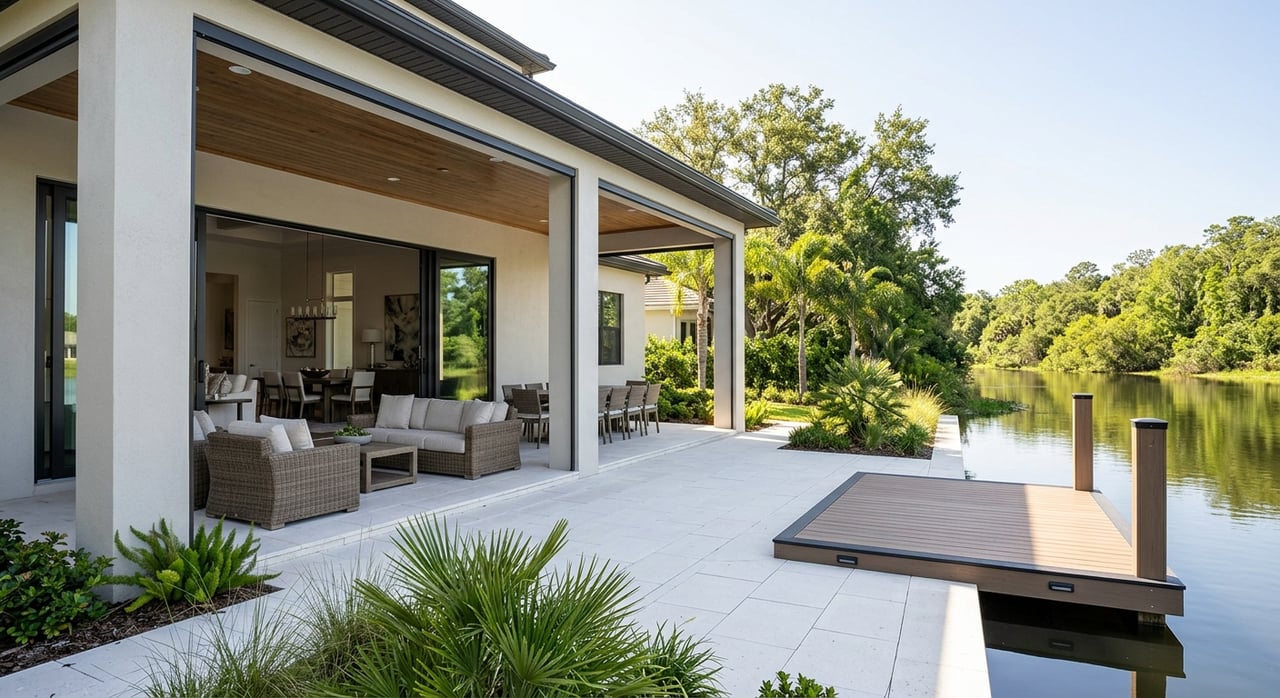
One of the biggest advantages of a lakefront home is the visual connection to the water. Clear sightlines from living areas, kitchens, and primary gathering spaces can make the lake feel like part of the home. Open layouts often support that feeling, especially when they create a natural path from interior rooms to patios, docks, or backyard seating areas.
If you are considering updates, think about how people move through the property. A strong layout makes it easy to entertain, carry food outside, welcome guests, and shift from indoor comfort to waterfront living without friction. That kind of flow can improve daily enjoyment and support stronger buyer appeal later.
Lakefront homes tend to collect more gear than many buyers expect. Towels, water toys, boating accessories, fishing equipment, and extra shoes all need a place to go. Mudroom-style storage, built-in cabinets, and practical drop zones near exterior doors can help keep the main living spaces calm and organized.
These transition spaces also matter when you host. Guests coming in from the patio or dock need easy access to storage, bathrooms, and places to set down wet items. Small functional upgrades can make a big difference in how polished and livable a home feels.
In Maitland, landscaping is not just curb appeal. It is also part of how a waterfront property functions over time. The city asks owners to preserve native aquatic plants, consult Lake Management before making shoreline changes, and use native plantings where appropriate as a natural complement to waterfront property.
Florida-Friendly Landscaping guidance from UF/IFAS supports a practical approach for waterfront homes. Once established, these landscapes are designed to conserve water, reduce pollution and erosion, and protect waterfronts while often requiring less irrigation, fertilizer, or pesticides. For you, that can mean a shoreline that looks intentional and stays easier to maintain.
This approach can also support cleaner visual lines without over-clearing the lot. A well-planned lakeside landscape often feels more refined than one that removes too much vegetation. The goal is a property that looks cared for, functional, and in step with the local environment.
Waterfront upkeep is rarely a one-time project. Maitland notes that invasive aquatic plants like water hyacinth can form dense mats that clog waterways and interfere with boating, fishing, and other activities. In other words, those open views and easy water access usually depend on routine management.
That is why the best lakefront design plans include maintenance thinking from the start. If you are buying, ask how the shoreline has been maintained. If you are improving a property before sale, organized upkeep can help the home present as move-in ready and responsibly cared for.
Waterfront improvements can add value and usability, but they also require planning. Maitland requires permit approval before private owners remove aquatic plants or alter shorelines. The city also has a specific permit category for waterfront structures like docks, boat slips, and seawalls on single-family or duplex properties.
A city permit is important, but it may not be the only approval required. Maitland notes that its waterfront permits satisfy city requirements only and that additional state permits may also be needed. The city also states that property owners and contractors remain responsible for obtaining all required approvals.
For you, the takeaway is simple: ask questions early. If a home has an existing dock or shoreline feature, it is wise to understand what was permitted and what may affect future changes. If you are planning new work, bringing in the right professionals at the beginning can save time, money, and frustration.
Maitland’s permit checklist suggests shoreline vegetation standards may require native aquatic species and may limit how much frontage can remain cleared. That means the most attractive shoreline is not always the most stripped-down one. In many cases, a balanced, intentional shoreline will look better and function better over time.
This matters for both enjoyment and resale. Buyers often respond well to waterfront properties that feel polished and usable, but also documented and thoughtfully maintained. A shoreline that reflects care and compliance can inspire more confidence than one that looks heavily altered without context.
A dock can shape how you experience the property every day. It can support boating, lounging, fishing, or simply give the backyard a stronger connection to the lake. But in Florida, dock projects can follow different regulatory paths depending on size, site conditions, number of slips, and over-water area.
Because those factors can affect timeline and cost, it helps to evaluate them before you commit to a purchase or renovation plan. What looks like a simple dock update may involve a more layered approval process than expected. If waterfront access is central to your vision, make that part of your due diligence from day one.
Designing a life around the water also means understanding risk and carrying costs. A practical first step is checking the property’s FEMA flood map and flood zone. Flood hazard maps identify areas of higher risk, and those designations can influence insurance needs and financing.
Flood insurance pricing can depend on factors like location, flood zone, and the structure’s design and age. In some high-risk zones, flood insurance may be required for government-backed mortgages. For buyers, that means monthly ownership costs may differ meaningfully from one lakefront property to another, even within the same city.
The best lakefront homes in Maitland are not just beautiful today. They are set up to stay appealing over time. From a resale perspective, buyers are likely to notice practical features like a usable dock, a maintained and permitted shoreline, and landscaping that helps manage runoff and future upkeep.
That is where design and strategy come together. If you are buying, these details can help you identify a smarter long-term investment. If you are selling, thoughtful preparation can help your home feel more complete, more credible, and more compelling from the first showing.
When a lakefront home goes to market, buyers are often responding to both emotion and evidence. They want the feeling of open water views and relaxed outdoor living, but they also want confidence in the property’s condition and usability. Clean presentation, documented improvements, and a coherent design story can help bridge both.
For sellers, this is where a design-minded strategy matters. A polished layout, refined outdoor spaces, and intentional staging can highlight how the home lives on the water. In a lifestyle-driven segment, presentation is often part of the value.
If you are thinking about buying or selling a lakefront home in Maitland, it helps to work with a team that understands how design, maintenance, and market positioning all connect. For a tailored strategy around presentation, updates, and waterfront appeal, connect with Abby Greenberg.
Stay up to date on the latest real estate trends.


Abby Greenberg and The A List team are just a call or click away. Our team is dedicated to helping you find the perfect solution to your real estate needs, with transparency and professionalism.