Winter Garden New Construction vs Resale Homes
March 24, 2026
March 24, 2026
Standing at the crossroads between a shiny new build in Horizon West and the charm of an established Winter Garden street? You are not alone. Both paths offer real benefits, from modern systems and amenities to larger lots and downtown access. In this guide, you will compare costs, lifestyle, upkeep, and resale so you can choose with confidence. Let’s dive in.
Winter Garden sits in a mid to upper price pocket of West Orange County, with recent snapshots placing the median sale price in the mid $500,000s. Inventory shifts by month and by neighborhood, so you will want current comps for your exact area before you write an offer.
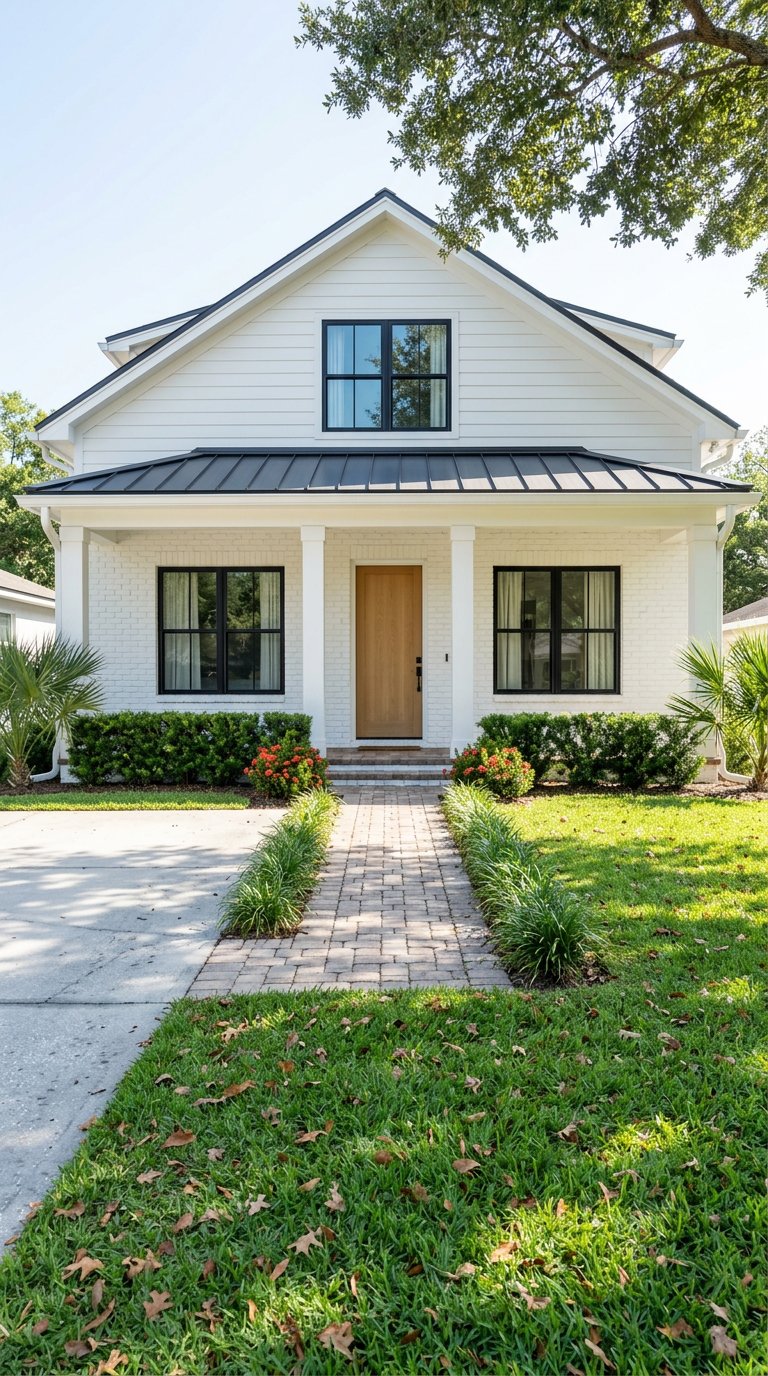
The biggest source of new construction is just south and west of the city in Horizon West, including Hamlin Town Center. This master-planned area features multiple villages, integrated retail, and broad amenity packages. Established neighborhoods closer to downtown Winter Garden deliver a different value set: mature trees, larger lots in many pockets, proximity to the West Orange Trail, and the walkable Plant Street scene.
Newer homes are built to current Florida Building Code standards, which generally means improved wind design, energy efficiency, and up-to-date mechanical systems compared to older homes that have not been retrofitted. Many builders include a “1-2-10” style warranty: typically 1 year for workmanship, around 2 years for systems, and up to 10 years for structural coverage administered by a third-party provider. Review the actual booklet for coverage and claims details, such as the 2-10 Home Buyers Warranty sample guide, and calendar your 11-month walkthrough to document items before the workmanship window closes.
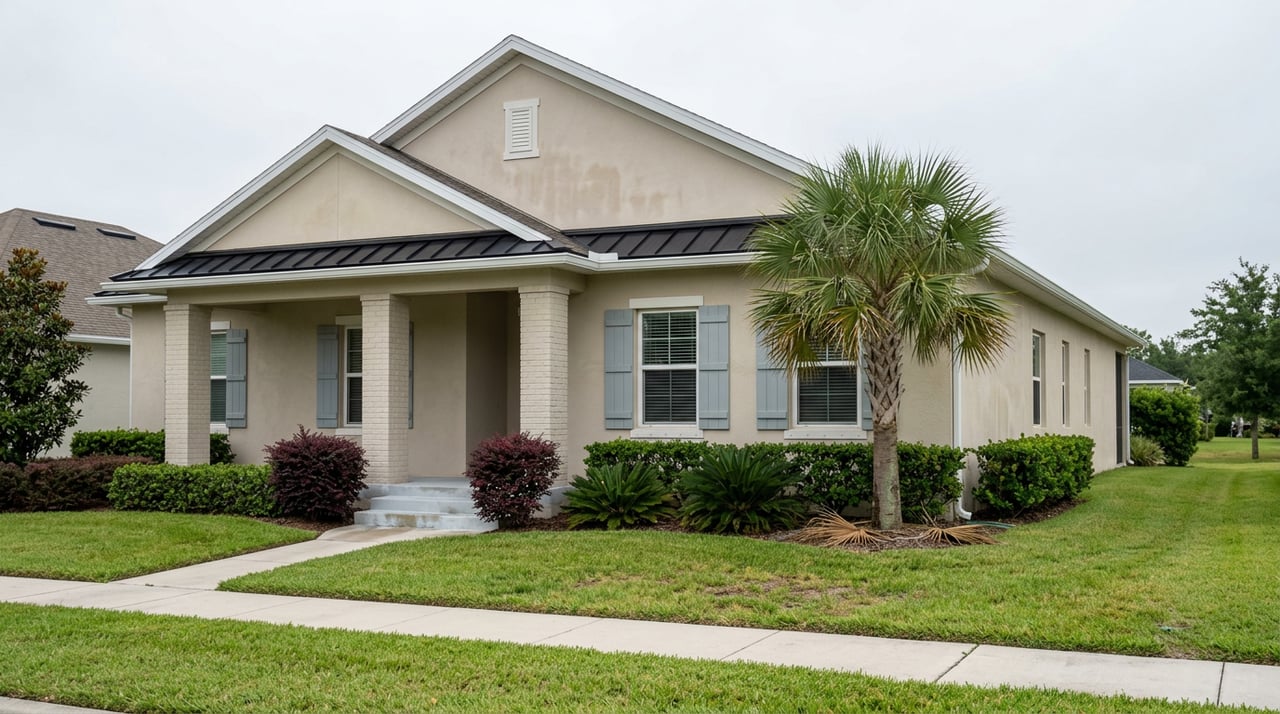
Horizon West master-planned phases offer everything from compact townhomes to single-family homes on lots that often fall in the roughly 0.10 to 0.25 acre range, with some attached products on smaller footprints. Streetscapes are newer and cohesive, with front-porch architecture, alley-loaded garages in some sections, and pocket parks. Exact lot size and setbacks vary by phase, so always verify on the recorded plat and survey.
Master-planned communities here usually include impressive amenity centers: pools, fitness rooms, splash pads, dog parks, and miles of trails. Hamlin Town Center adds retail, restaurants, a lakefront boardwalk, and a premium movie theater, which makes daily errands and entertainment simple.
Newer developments often pair an HOA with a Community Development District. HOAs, governed by Chapter 720 of Florida statutes, collect dues to maintain common areas and enforce covenants. Some master-planned communities also use a CDD, a special-purpose government under Chapter 190, to finance roads, stormwater, and amenities. CDD assessments are non-ad valorem line items, typically appearing on your county tax bill until bonds are repaid. Fee amounts and structures vary widely by sub-community.
When buyer demand skews toward newer homes or resale inventory is tight, new builds can compete strongly on value. Builders also use incentives like mortgage-rate buydowns and closing credits to improve affordability, which can reduce your effective cost even if list prices look firm. See how builders are using incentives in recent cycles in this NAR overview. Keep in mind that if many nearby lots deliver at the same time, short-term competition can temper appreciation.
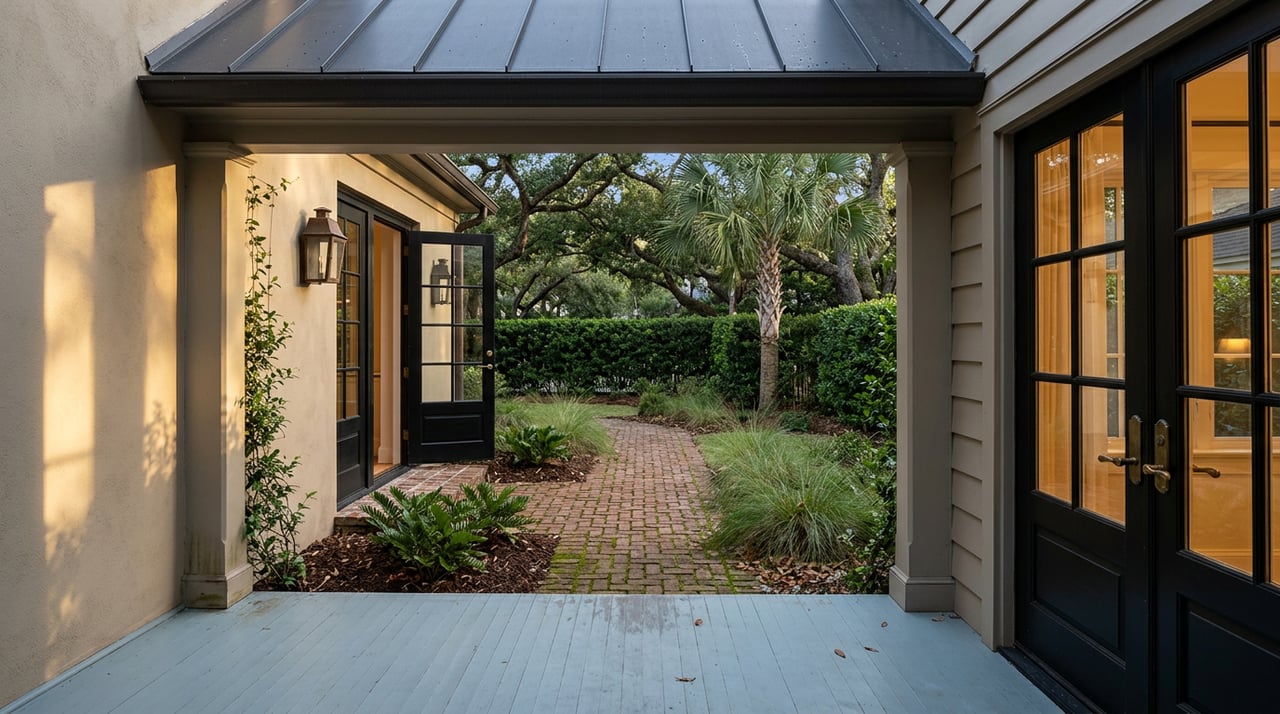
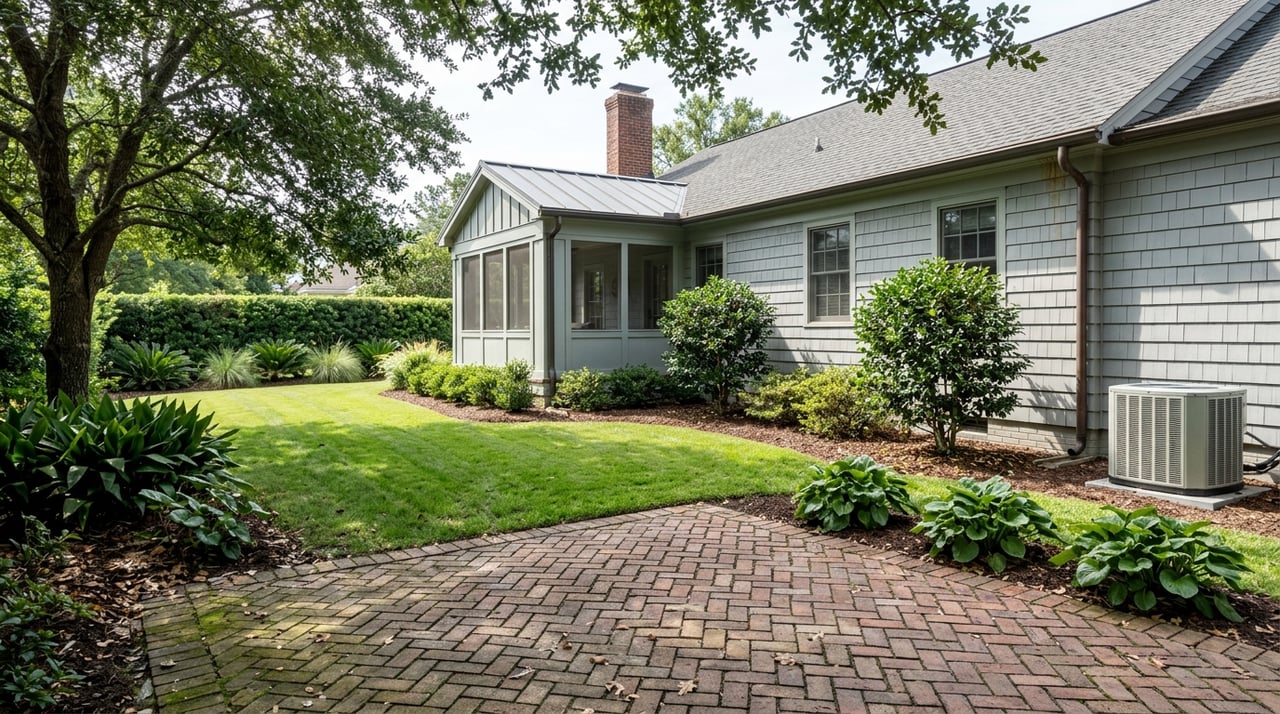
Closer to downtown, you will find mature landscaping, larger lots in many pockets, and connected street grids that feed into the West Orange Trail and Plant Street. The city’s Historic District resources outline the protected downtown fabric and its classic small-town feel. These lifestyle assets often support steady demand, especially for buyers who prioritize walkability and yard space.
Older homes can deliver instant curb appeal and bigger yards, but you should budget for roof age, HVAC lifespan, electrical panels, and window upgrades sooner than with a new build. An independent inspection is essential to understand maintenance timelines and potential improvements.
Space and lots
Amenities and location
Systems and energy use
Monthly carrying costs
Resale considerations
A CDD is a local unit of government that funds infrastructure and operations for a community. Under Chapter 190, it can levy non-ad valorem assessments that typically appear on your county tax bill. You can view how a district posts budgets and assessment schedules by reviewing a local example like the Winter Garden Village CDD site.
An HOA is a private association governed by Chapter 720. It collects dues, maintains shared areas, and enforces covenants. Both CDDs and HOAs affect carrying costs, and both should be reviewed thoroughly before you commit.
If you are buying a spec or quick-move-in home, you will likely use a standard purchase mortgage. For a to-be-built home, ask your lender about construction-to-permanent options and how builder incentives interact with your loan type. This FHA construction-to-permanent overview explains common structures. Also confirm whether a builder’s buydown or closing-credit offer requires using a preferred lender, and how that affects your true net price.
Builders have leaned on incentives in recent market cycles. The NAR report on builder affordability tools is a helpful primer as you compare effective monthly payments.
Choose new construction if you value modern systems, bundled amenities, predictable warranties, and a turnkey feel. Expect smaller lots in many phases and be sure to price in HOA plus any CDD line item on your tax bill.
Choose an established neighborhood if larger lots, mature trees, and downtown access are top priorities. Budget for near-term system updates and confirm HOA dues, if any. In both cases, focus on micro-location, product type, and your time horizon. That is what drives resale in Winter Garden.
If you want a guided, design-forward path to the right home or a premium sale, connect with Abby Greenberg and The A List for curated options, neighborhood insight, and a plan tailored to your timeline and goals.
Stay up to date on the latest real estate trends.

Abby Greenberg and The A List team are just a call or click away. Our team is dedicated to helping you find the perfect solution to your real estate needs, with transparency and professionalism.