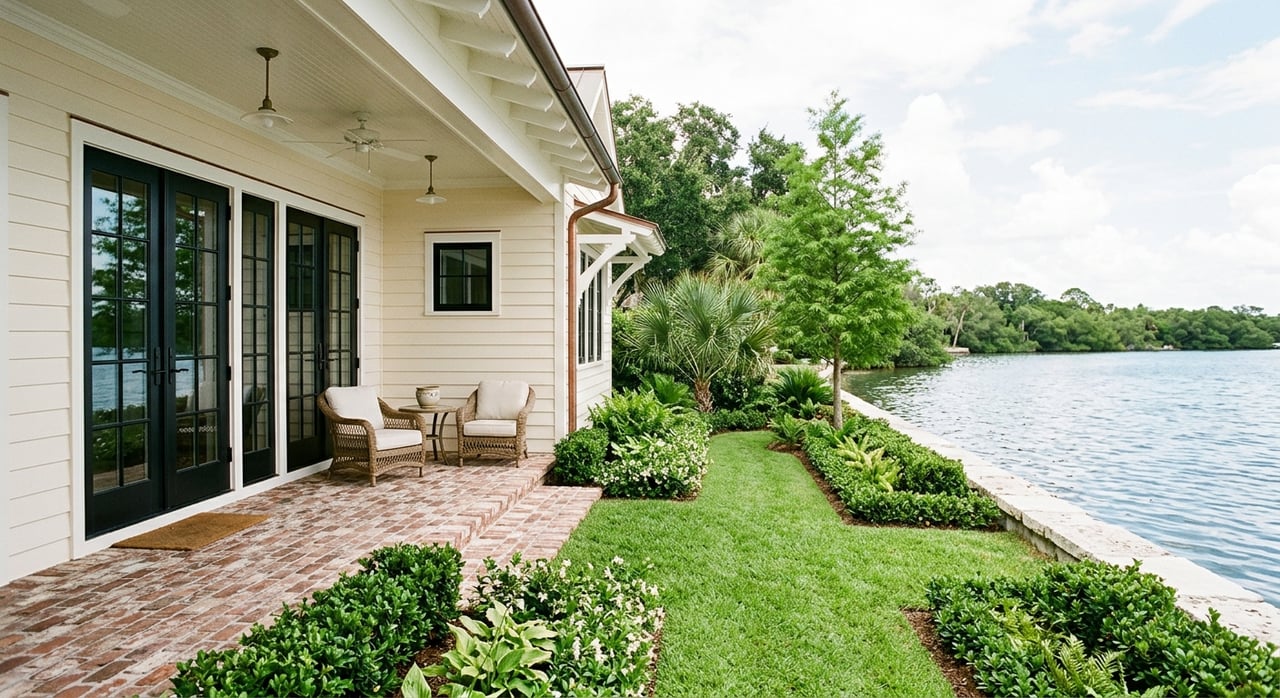
Living in Historic Sanford FL: Riverfront Life Explained
July 9, 2026
July 9, 2026
Are you drawn to the idea of a home with real character, walkable streets, and water views that feel woven into daily life? If you are looking at Sanford, you are probably trying to understand how its historic charm and riverfront setting actually translate into the way you live, buy, and plan for the future. The good news is that Sanford offers a rare mix in Central Florida: a true historic core, a working waterfront, and commuter-friendly access. Let’s dive in.
Sanford’s historic identity starts with its location on the south shore of Lake Monroe at the head of navigation on the St. Johns River. According to the city, commercial steamboat service helped establish Sanford as a distribution point for Central Florida. That riverfront beginning still shapes the city today.
When you spend time in the historic core, the difference is easy to feel. Sanford is known for brick-lined streets, large nineteenth-century Victorian homes, and a downtown centered on First Street. Compared with many nearby suburban areas, the historic center feels older, more compact, and more walkable.
That does not mean Sanford is isolated. The city is also positioned near I-4 and SR 417, which helps support both local lifestyle appeal and everyday commuting. For many buyers, that combination is the draw: character and convenience in the same place.
One of the biggest misconceptions about historic Sanford is that it follows a single style. In reality, the city’s preservation materials describe several overlapping historic districts, each with its own role in the larger streetscape. That layered history is part of what makes house hunting here more interesting.
The city identifies these key districts:
The downtown commercial, residential, and Georgetown areas are listed on the National Register of Historic Places. Across these areas, Sanford includes a broad mix of architecture, including Queen Anne, Craftsman, Colonial Revival, Mediterranean Revival, Frame and Masonry Vernacular, Ranch, Bungalow, and Minimal Traditional.
In plain English, that means you may find ornate Victorian-era homes on one block, bungalow-style houses on another, and later infill or altered properties nearby. If you are expecting a perfectly uniform historic neighborhood, Sanford is more nuanced than that. Its appeal comes from the mix, not from sameness.
The city’s design guidance gives a helpful snapshot of what you may see as you tour homes.
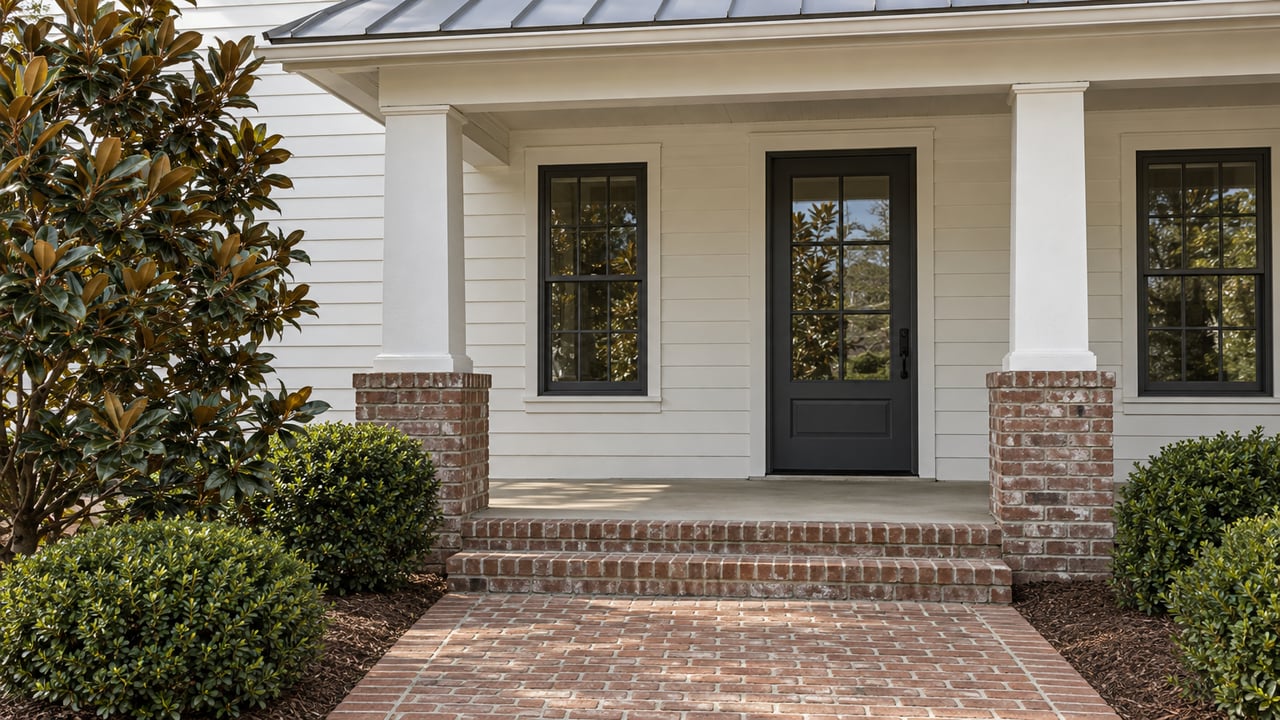
Queen Anne homes are often the most decorative, with towers, varied rooflines, and decorative shingles. Craftsman bungalows are usually one to one-and-a-half stories with prominent porches and tapered columns. Colonial Revival homes tend to feel more symmetrical, with centered entries and classical trim.
That variety matters when you are comparing homes. In Sanford, two properties with the same square footage can offer very different curb appeal, layout flow, and renovation potential. Buying here is often as much about the feel of the block and the structure’s relationship to the street as it is about bedroom count alone.
Historic designation in Sanford is not just about appearance. It also affects how streets, buildings, and lots function together.
In the Downtown Commercial Historic District, new buildings generally have a zero- to five-foot front setback, facades are expected to stretch across most of the lot width, parking is placed at the side or rear, and drive-throughs are not allowed. Those standards help preserve the compact, street-facing downtown feel that many people associate with Sanford.
In the Sanford Residential Historic District, new homes are expected to match the scale and massing of contributing houses, stay under 35 feet, and orient the main entry toward the street. Raised foundations are also expected when appropriate. These rules help maintain a front-porch, neighborhood-scaled look rather than a more spread-out suburban pattern.
The Sanford Avenue Historic District follows a corridor pattern along both sides of Sanford Avenue from 2nd Street to Celery Avenue. Georgetown Residential, created by the city in 2023, is generally bounded by East 2nd Street, Bay Avenue and Mellonville Avenue, Celery Avenue, and the alley east of Sanford Avenue.
For you as a buyer, this means the setting is protected in ways that go beyond one individual house. The streetscape, the placement of buildings, and the visual rhythm of the neighborhood are all part of the experience.
If the historic streets are one side of Sanford’s appeal, the waterfront is the other. The Sanford RiverWalk is the city’s signature amenity and one of the clearest reasons riverfront living feels active rather than just scenic.
The city says the RiverWalk began as a sidewalk concept in 1995 and has grown into a multi-use trail spanning nearly five miles. It connects to the 210-mile Florida Coast-to-Coast Trail and helps complete a 26-mile loop around Lake Monroe. With lighting, landscaping, road improvements, and seawalls, the waterfront functions more like a linear park than a simple shoreline edge.
That changes how you use the area. You are not just living near water. You are living near a place built for walking, biking, and spending time outside.
Fort Mellon Park adds another layer to Sanford’s riverfront lifestyle. The city describes it as a 17-acre park on Lake Monroe with boating and fishing access, scenic walking paths, courts, open space, and Central Florida’s largest splash pad.
Nearby Veterans Memorial Park also sits on Lake Monroe. Along with the free marina day slips on its east side, it supports a dock-and-walk experience where people can arrive by boat and head into downtown on foot. That setup connects the waterfront directly to shops, restaurants, theaters, festivals, breweries, and parks.
One practical note for buyers who are specifically focused on marina access: as of the city’s March 23, 2026 update, the downtown marina restoration was still underway after Hurricane Ian damage, with design and permitting in progress. If marina details are central to your home search, that is worth factoring into your planning.
A historic downtown only works if it stays active, and Sanford has several pieces in place that support that energy. The city’s visitors materials point to a Saturday farmers market, arts and entertainment, and a strong restaurant-and-drink scene. That helps explain why the area feels lively beyond standard business hours.
Transit also plays a role. Sanford operates a free trolley Monday through Saturday between the Sanford SunRail station and downtown stops. The city also provides a free shuttle from the Amtrak Auto Train station to the Sanford Information Center.
For you, that can mean more flexibility in how you move through the area. Whether you are meeting friends downtown, walking the waterfront, or using regional transit connections, Sanford offers a more layered day-to-day experience than a typical car-dependent suburb.
Historic Sanford offers charm, but it also comes with rules. If you are considering a purchase here, especially a home that may need updates, it is important to understand that preservation is active and visible.
The city requires a Certificate of Appropriateness before exterior work begins on properties in the Downtown Commercial Historic District, Sanford Avenue Historic District, and Sanford Residential Historic District. In Georgetown Residential, demolition and new construction require a Certificate of Appropriateness.
That means renovation planning may take more thought than it would in a non-historic setting. If you want to change visible exterior features, you should expect design review. For some buyers, that feels like a limitation. For others, it is the reason the neighborhood keeps its long-term appeal.
A useful way to think about Sanford is that you are often trading some renovation freedom for stronger visual continuity and architectural character. The city’s code allows non-contributing structures to be modernized, but not redesigned to create a false historic appearance. It also requires additions to preserve the essential form of the original structure.
That can be a real advantage if you value a cohesive streetscape. It can also affect project budgets, timelines, and design decisions. If you are buying with plans to update, it helps to go in with a clear strategy rather than assuming every exterior idea will be straightforward.
Sanford’s historic code also touches daily property use, not just renovations. The city prohibits outside storage of most personal property in historic districts and restricts visible parking. It also says RVs and boats should be screened or kept out of public view when possible.
For residential structures, RVs and boats may be parked in front for no more than two days per week. In a river-oriented city, that is an important detail. If you love the boating lifestyle, you will want to think not only about access to the water but also about how your property setup supports ownership.
Sanford tends to appeal to buyers who want more texture in their surroundings. If you are looking for a place where waterfront access, older architecture, and walkable downtown energy all come together, Sanford offers something distinct in Central Florida.
It may also be a fit if you appreciate homes with story and individuality, even when that comes with more planning around maintenance or exterior updates. On the other hand, if your top priority is a newer neighborhood with fewer design constraints, your best match may be elsewhere.
The right move is not just finding a beautiful house. It is understanding how the district, the riverfront, and the preservation rules shape the life you will have there.
If you are weighing Sanford for a purchase, sale, or renovation-minded move, working with a team that understands how lifestyle, presentation, and local nuance come together can make the process much clearer. To talk through your goals, connect with Abby Greenberg.
Stay up to date on the latest real estate trends.


Abby Greenberg and The A List team are just a call or click away. Our team is dedicated to helping you find the perfect solution to your real estate needs, with transparency and professionalism.