Casselberry 4-Point Inspection Essentials for Buyers
December 18, 2025
December 18, 2025
Buying an older home in Casselberry and hearing about a 4-point inspection? You are not alone. Insurers in Florida often ask for this quick check before they will bind or renew a policy on an older property, and the timing usually hits right when you are deep in escrow. In this guide, you will learn exactly what a 4-point inspection covers, why insurers require it, how to prepare in 32707, realistic timelines and costs, and what to do if issues pop up. Let’s dive in.
A 4-point inspection is a focused, insurance-driven look at four systems: roof, electrical, plumbing, and HVAC. It documents the type, age, visible condition, and immediate safety risks of each system to help insurers gauge near-term risk. It is not a code inspection or a full home inspection. Think of it as a snapshot that helps underwriting decisions.
Insurers commonly request a 4-point when a home is roughly 25 to 40 years old, with many using 30 years as a practical cutoff. It may also be requested after a recent insurance loss or when a carrier is renewing coverage and sees elevated risk. For a helpful overview of scope and purpose, see the InterNACHI explanation of 4-point inspections.
If the 4-point raises concerns, a full home inspection or a specialist visit from a roofer, electrician, plumber, or HVAC technician is often recommended. The American Society of Home Inspectors provides general homeowner guidance on inspection types and expectations.
Inspectors look for system age, material or equipment type, visible deterioration, safety hazards, and evidence of past or active leaks. Items hidden behind walls or finishes are usually not accessible during a 4-point inspection.
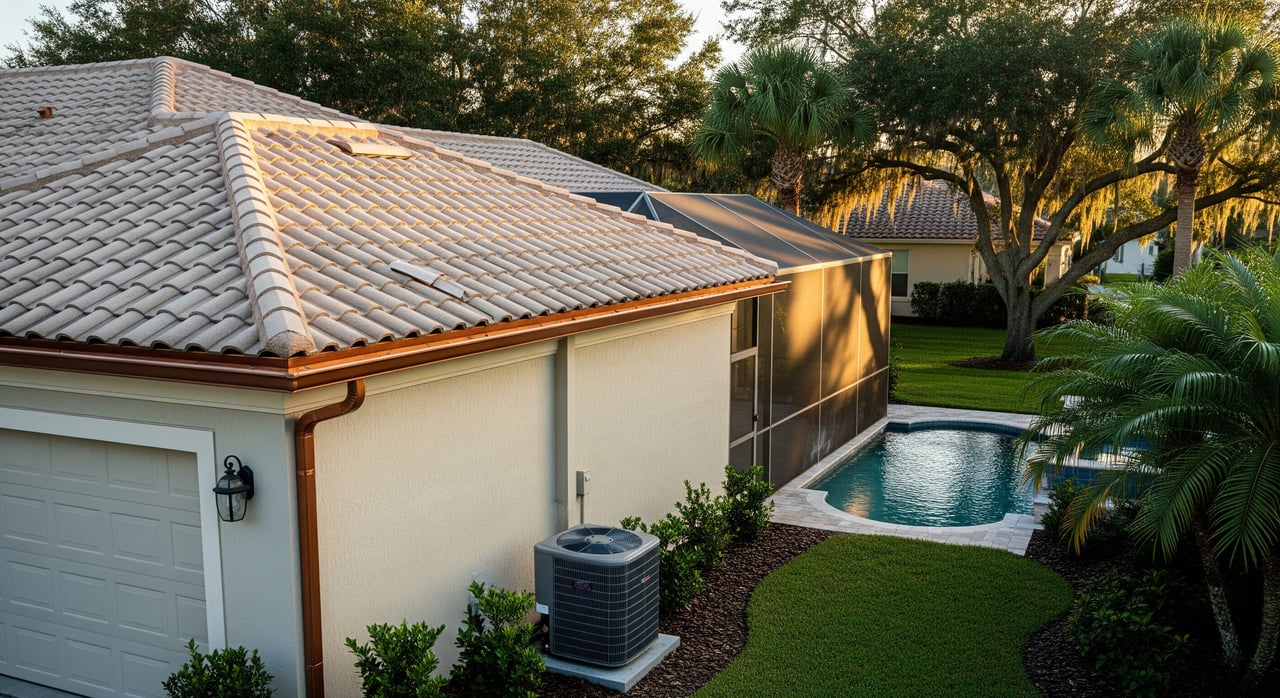
Inspectors note roof covering type, estimated remaining life, number of layers, visible leaks, damaged shingles or tiles, and the condition of flashing and penetrations. In Florida, wind and hurricane exposure make roof age and condition a top insurer concern. Asphalt shingles and concrete or clay tile are common in Seminole County. Extensive shingle loss, active leaks, multiple layers, or undocumented re-roofing can trigger repair requirements.
Expect documentation of service amperage, conductor material, wiring type, panel condition, grounding and bonding, and obvious hazards like double-tapped breakers or missing covers. In Florida, insurers often flag aluminum branch wiring, older fuse panels, corrosion on exterior equipment, and weather exposure that affects safety. Evidence of overheating, obsolete equipment, or unsafe alterations can lead to required corrections.
Inspectors identify pipe materials, water heater type and age, visible leaks, signs of past leaks or repairs, and fixture condition that is visible. Polybutylene piping from the late 1970s through mid-1990s and corroded galvanized piping can be concerns. Aged water heaters, rust, or active leaks are common triggers for repair or replacement requests.
Inspectors document system type, age, visible maintenance issues, condensate drain condition, and refrigerant identification. Central AC is essential in Seminole County, and carriers look for evidence the system is safe and serviceable. Older R-22 systems can be costlier to service and may draw insurer attention. Non-operable equipment, severe corrosion, major leaks, or end-of-life systems can push a repair or replacement conversation.
Insurers use 4-point inspections to focus on near-term risk. Claims tied to roof leaks, electrical hazards, plumbing failures, and HVAC breakdowns make up a large share of losses, so carriers want a current condition snapshot of those systems.
When a 4-point comes back unfavorable, carriers may require repairs and a re-inspection, limit coverage for certain systems or perils, raise the premium, or decline the policy if the risk is too high. In Florida, a 4-point is separate from wind underwriting. Your agent may also suggest a wind mitigation or roof certification for hurricane-related discounts or eligibility. For general insurance consumer resources in Florida, visit the Florida Office of Insurance Regulation.
Preparing well can speed things up and sometimes improve the outcome. A clean, accessible property helps the inspector document everything clearly for the insurer.
These details help confirm ages and system types if documentation is missing.
Most local inspectors can schedule within 24 to 72 hours, though busy seasons can stretch that to a week. Many provide the PDF report at the appointment or within 24 to 48 hours. If repairs are needed, re-inspections follow similar timing based on contractor availability and inspector schedules.
A stand-alone 4-point inspection in Florida typically ranges from about 75 to 300 dollars, with many clustering around 100 to 200 dollars. Pricing varies by credentials, scope, and whether detailed photos are included. Specialist diagnostics or contractor estimates usually cost more. If issues are found, rough examples include minor electrical corrections starting a few hundred dollars and larger items like full HVAC or roof replacements reaching into the thousands. Always obtain local quotes for accurate numbers.
Insurer responses to problems often start with required repairs and re-inspection. Some carriers offer conditional coverage with exclusions or sublimits. In rare cases, especially if major systems are at end of life, a carrier may decline or nonrenew coverage until the work is completed.
Use this simple plan to keep your purchase on track:
Staying proactive reduces surprises and helps your insurer issue a policy smoothly. For general inspection context and standards, you can also review InterNACHI’s 4-point resources and the ASHI site.
A 4-point inspection is not about nitpicking your future home. It is a fast way for insurers to confirm the core systems are safe and serviceable. In Casselberry, where older homes are common, planning ahead can save you time, stress, and extra trips during escrow. Gather your records, clear access, and coordinate early with your insurance agent so you know exactly what is required.
If you want a local strategy for navigating inspections, permits, and insurance timelines while you shop in 32707, reach out. Our team guides buyers through each step and connects you with trusted local pros so you can move forward with confidence. Connect with Abby Greenberg to get started.
Stay up to date on the latest real estate trends.

Abby Greenberg and The A List team are just a call or click away. Our team is dedicated to helping you find the perfect solution to your real estate needs, with transparency and professionalism.