College Park's Real Historic Preservation Board Is Your Insurance Underwriter
August 27, 2026
August 27, 2026
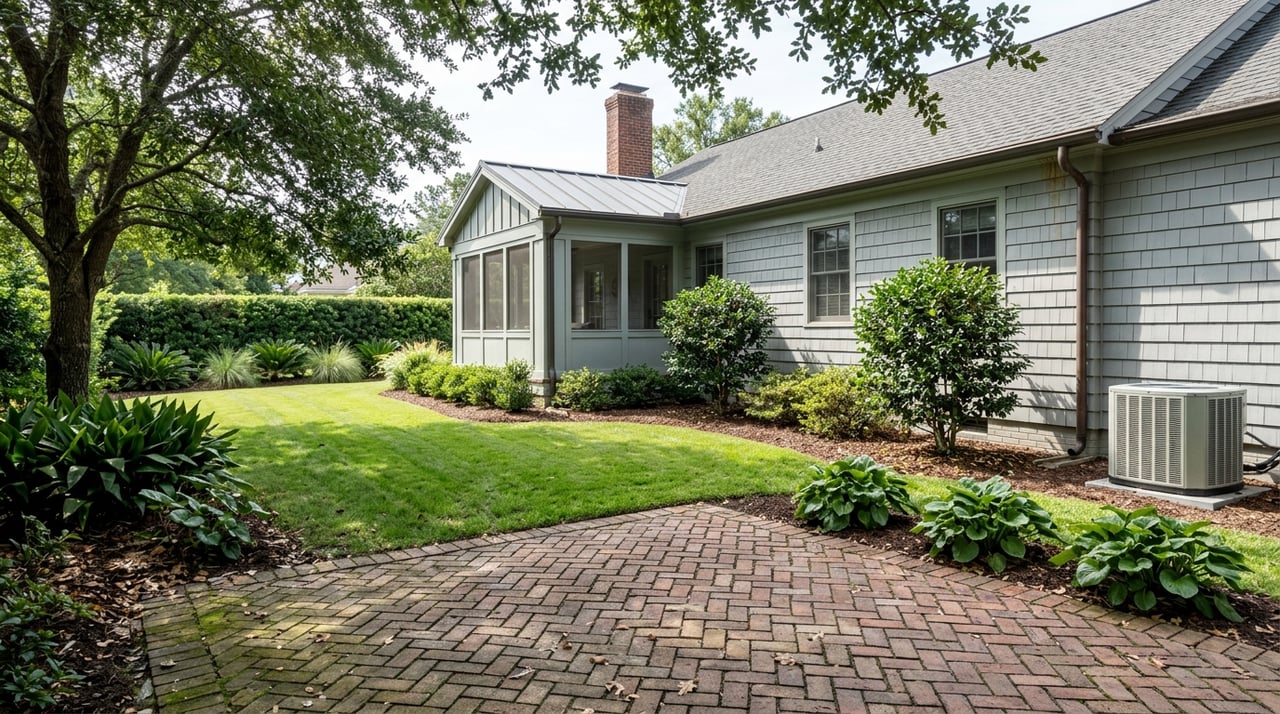
Most people who fall for a College Park bungalow assume the neighborhood comes with a rulebook. Brick side streets, oak canopies, a Craftsman porch on every third lot: it reads like a place where a preservation board signs off before you touch a window sash. Sellers plan their pre-listing paint job around it. Buyers ask their agent whether they'll need special approval to add a bathroom.
Here is the part that surprises almost everyone: College Park is not one of Orlando's Historic Preservation overlay districts. The city recognizes exactly six of those, Downtown, Lake Cherokee, Lake Copeland, Lake Eola Heights, Lake Lawsona, and Colonialtown South. College Park sits outside all of them. What the neighborhood actually has is a Main Street designation, the same commercial-revitalization category that covers the Edgewater Drive retail corridor locals call The Drive. That status funds street festivals and small-business support. It does not require a Certificate of Appropriateness before you swap out a door or reframe a porch.
So renovate freely, right? Not quite. There is still a gatekeeper deciding what a College Park bungalow is allowed to keep and what it has to give up before it changes hands. It just isn't a board that meets monthly at City Hall. It's whoever underwrites the buyer's homeowners policy.
Florida homeowners insurance leans hard on something called a four-point inspection, a focused look at roof, electrical, plumbing, and HVAC that most carriers require once a home passes somewhere between 20 and 30 years old, depending on the company. College Park's housing stock, built mostly from the 1920s through the 1950s along streets named for colleges, clears that threshold by half a century in most cases.
The inspection itself costs little, typically $75 to $200. What it uncovers is what actually controls the transaction. If the panel in the garage says Federal Pacific or Zinsco, the report doesn't just note it. It tends to end the conversation with most carriers before it starts.
Federal Pacific Stab-Lok breakers have a well-documented history of failing to trip during an overload, and Zinsco breakers can fuse to the bus bar in a way that keeps a circuit live even when it's switched off. Florida insurance agencies that track this by carrier report that a large majority of the companies they represent, in one case 24 of 26, will not write or renew a policy on a home with an FPE panel until it's replaced. Zinsco and Sylvania panels face similar rejection rates. Challenger panels are increasingly flagged too, though Citizens Property Insurance Corporation was still accepting them as of 2026.
None of that is really about the panel's age. It's about a specific, named defect that underwriters have decided isn't worth the risk, regardless of how the rest of the house looks.
| Panel type | Common install era | Typical insurer stance | Replacement cost range |
|---|---|---|---|
| Federal Pacific / Stab-Lok | 1950s-1980s | Declined by most FL carriers | $1,500-$5,000 |
| Zinsco / Sylvania | 1950s-1980s | Declined by most FL carriers | $1,500-$5,000 |
| Challenger | 1980s-1990s | Increasingly flagged; some carriers still accept | $1,500-$5,000 |
| Knob-and-tube remnants | Pre-1950s | Flagged if still energized | Varies by scope |
A 200-amp service upgrade tends to land at the higher end of that range. The point isn't the exact dollar figure, which varies by electrician and scope. It's that this cost shows up on every insurable College Park sale built before 1960, whether the seller planned for it or not.
Cast iron drain stacks follow a similar pattern. In Central Florida's humidity and mineral-heavy soil, cast iron that might last 75 to 100 years in a drier climate tends to corrode from the inside out in 25 to 50 years. Most Orlando cast iron installed before 1975 is already past that window. A camera scope of the stacks and lateral, running roughly $100 to $450, is the cheapest way to know what you're actually dealing with before an inspection report does it for you.
One inspector who specializes in older housing stock put the mindset this way when describing what he expects to find in a pre-1940 home: "For me, it's like an Easter egg hunt." That's the right posture for a College Park seller too. Knob-and-tube wiring shows up in homes that were supposedly rewired decades ago, because contractors often left the old runs in the attic rather than pulling them out. The house doesn't have to look untouched for these systems to still be there.
The historic-district myth cuts a specific way for sellers. Because College Park carries no Certificate of Appropriateness requirement, a seller who wants to update a kitchen, add a primary bath, or swap a window line ahead of listing can do it without a preservation board hearing. That's a real advantage over districts like Lake Copeland or Lake Eola Heights, where exterior changes go through review first.
But that same freedom means nothing protects a seller from the insurance-driven surprise that shows up during a buyer's underwriting. If the panel is a Stab-Lok or the drain stack fails a camera scope, the deal doesn't stall because of aesthetics. It stalls because a lender's required insurance can't bind. That's a financing problem, not a design problem, and it moves at a different speed. A buyer's underwriter can hold up a closing date in a way a design review board, ironically, cannot.
The fix is sequencing. Handle the systems check before the sign goes in the yard, not after an accepted offer.
Before listing a College Park bungalow, it's worth confirming:
Running these checks early gives a seller room to either fix the issue on their own timeline and vendor pricing, or price the home with full disclosure and let the number do the negotiating instead of a stalled closing.
Edgewater Drive itself is in motion. A sign advertising a redevelopment called Edgewater Market Gardens went up along the corridor in December 2025, marketed for a fall 2026 delivery, and the City of Orlando's Complete Street project is reshaping the stretch between Lakeview Street and Par Street with wider sidewalks and calmer traffic. Commercial investment on The Drive is real and visible.
None of it touches what's behind the walls a few blocks over. A bungalow's insurability doesn't improve because a new retail building opens down the street. The systems check stays the same whether Edgewater Drive gets a new market hall or not, and that's exactly the point: the corridor's momentum and a specific house's electrical panel are two entirely separate stories, and only one of them shows up in a four-point report.
Do I need a Certificate of Appropriateness to renovate in College Park? No. College Park is not one of Orlando's six Historic Preservation overlay districts, so exterior changes don't require Historic Preservation Board review the way they would in Lake Eola Heights or Colonialtown South.
What actually triggers a four-point inspection in Florida? Most carriers require one once a home reaches somewhere between 20 and 30 years old, with the threshold set by the individual insurer rather than the state.
Can I still sell a bungalow with a Federal Pacific panel installed? Yes, but expect the buyer's insurance shopping to stall until it's replaced. Many sellers choose to swap the panel before listing rather than let it surface during someone else's underwriting.
If you're preparing to list a College Park bungalow this year, Abby Greenberg and The A List can walk the panel, the plumbing, and the rest of the pre-listing checklist with you before a buyer's underwriter finds it first. Request a VIP Listing Consultation and let's get ahead of it.
Stay up to date on the latest real estate trends.

Abby Greenberg and The A List team are just a call or click away. Our team is dedicated to helping you find the perfect solution to your real estate needs, with transparency and professionalism.